Technology Empowers the "Vegetable Basket": Greenhouses Paint a New Picture of Modern Agriculture
Dec 11, 2025Against the backdrop of comprehensively promoting the deep integration of rural revitalization and agricultural modernization, the greenhouse industry across China is entering a new stage of high-quality development. Walking into several modern agricultural parks in the North China Plain, the Northwest Gobi Desert, and the Jiangnan water towns, rows of intelligent greenhouses stand tall. The traditional agriculture that once relied on the weather is being replaced by modern facility agriculture characterized by "controllable environment, data-driven management, and precise control," and a magnificent picture of technology-driven agriculture is slowly unfolding.
In the National Modern Agricultural Industrial Park of Shouguang City, Shandong Province, rows of intelligent glass greenhouses are neatly arranged. The roofs are covered with high-transparency glass, and the internal temperature and humidity are automatically adjusted. Parameters such as light, carbon dioxide concentration, and soil nutrients are uploaded to a cloud platform in real time. Growers can remotely control ventilation, irrigation, and supplemental lighting systems via their mobile phones. "In the past, growing vegetables relied on experience; now it relies on data. One greenhouse can save 30% on labor costs, while increasing yield by more than 40%," proudly introduced Wang Jianguo, a large-scale grower. The tomato greenhouses he manages use soilless cultivation and integrated water and fertilizer technology. Each plant "drinks" customized nutrient solution and "eats" precisely formulated fertilizer, resulting in stable fruit sweetness and uniform appearance, directly supplying high-end supermarkets and e-commerce platforms.
A relevant official from the Shouguang Municipal Bureau of Agriculture and Rural Affairs stated that the city has built over 100,000 mu of intelligent greenhouses, with high-standard multi-span greenhouses accounting for more than 60%. New technologies such as the Internet of Things, AI recognition, and robot inspection are being comprehensively promoted, achieving a transformation from "knowing how to farm" to "farming intelligently." At the same time, through the "cooperative + farmers + technology company" model, small farmers are integrated into the modern agricultural industry chain, driving employment and income growth for more than 30,000 people in the surrounding areas.
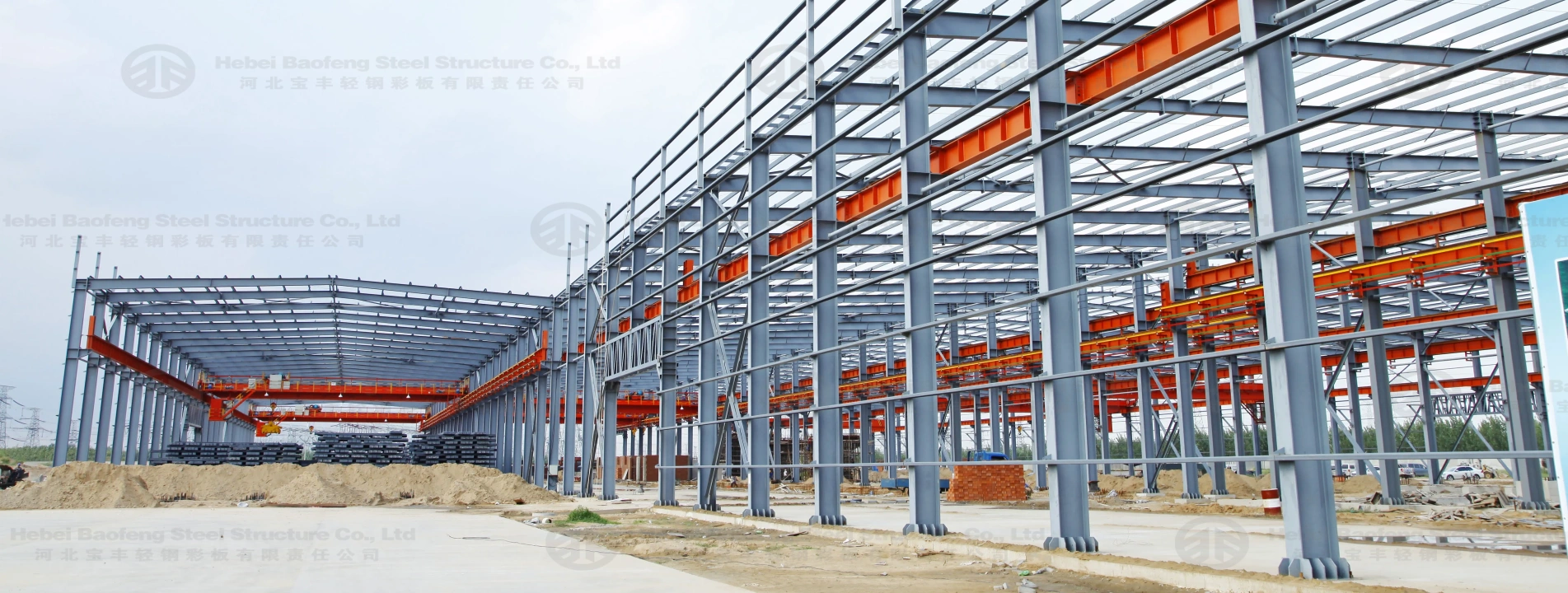
Meanwhile, on the Gobi Desert in Zhangye City, Gansu Province, the once barren land is being "illuminated" by rows of solar greenhouses. Relying on abundant light and heat resources and land reserves, Zhangye is vigorously developing Gobi facility agriculture, building several thousand-mu greenhouse demonstration bases. In Wujiang Town, Ganzhou District, newly constructed all-steel frame prefabricated greenhouses utilize insulation blankets, automatic roller blinds, and solar energy storage systems to effectively cope with the challenges of low winter temperatures. Inside the greenhouses, high-value crops such as morel mushrooms, bell peppers, and cherry tomatoes are thriving. "Even the Gobi Desert can grow 'golden fruits'!" said local grower Li Xiulan, whose three greenhouses generate an annual income exceeding 150,000 yuan.
Even more encouragingly, greenhouses are becoming a new engine for promoting urban-rural integration and green development. In Wuzhong District, Suzhou City, Jiangsu Province, a number of "smart farms" combine greenhouse cultivation with leisure tourism and parent-child learning, creating an agricultural complex that is "visible, playable, and educational." Tourists can pick strawberries themselves and participate in soilless cultivation experiences, while children learn about modern agriculture in "plant classrooms." The park manager introduced: "We not only produce safe and high-quality agricultural products, but also spread agricultural civilization, allowing city dwellers to rediscover their connection to the land."
Meanwhile, many local governments are increasing policy support to promote the green and low-carbon transformation of greenhouses. Bayannur City in Inner Mongolia is promoting the "photovoltaic + greenhouse" model, generating electricity on the roof and growing vegetables below, achieving integrated land use; Jiaxing City in Zhejiang Province is piloting "zero-carbon greenhouses," reducing carbon emissions through technologies such as biogas heating, rainwater harvesting, and biological pest control.
Experts point out that with the in-depth implementation of the "14th Five-Year Plan for Promoting Agricultural and Rural Modernization," greenhouses, as the core carrier of facility agriculture, will play a crucial role in ensuring the supply of "vegetable basket" products, improving agriculture's resilience to risks, and increasing farmers' income. In the future, my country will accelerate the construction of a "smart facility agriculture" system, promoting the development of greenhouses towards standardization, intelligence, ecological sustainability, and integration.